At Aditya Birla Memorial Hospital, uro-oncology care is focused on cancers of the urinary system and male reproductive organs. They offer treatment for cancers of the kidneys, bladder, prostate, ureters, and testicles after thoroughly diagnosing the type and stage of cancer.
Our uro-oncologists recommend a treatment plan best suited to their condition and overall health. Uro-oncology treatment may include surgery, minimally invasive procedures, chemotherapy, radiation therapy, or active surveillance.
Patients seeking uro-oncology in Pimpri can consult our urologic oncologists for a thorough diagnosis and treatment. We also offer advanced diagnostic imaging, dedicated surgical facilities, daycare chemotherapy, intensive care, rehabilitation, and psychological support whenever needed.
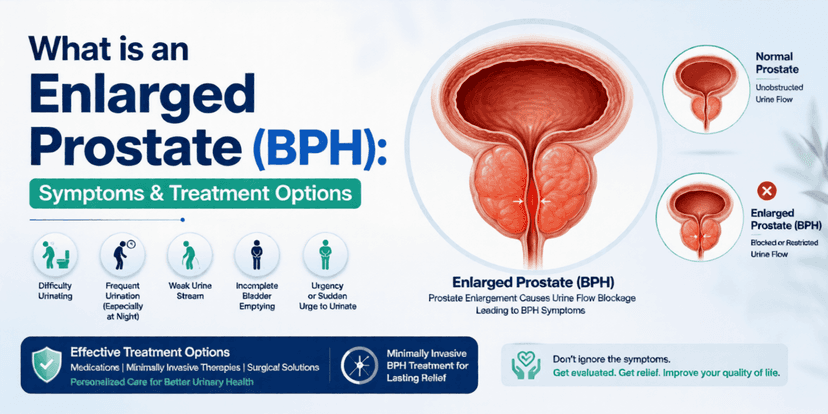
Urologic oncology is the specialised field of medicine focused on cancers affecting the urinary system and male reproductive organs. These include cancers of the kidneys, bladder, prostate, and testicles.
Treatment is based on the type, location, and stage of the cancer, as well as the patient's overall health. The aim is to control the cancer while preserving organ function wherever possible.
Patients suffering from this condition should consult a specialist of uro-oncology in Pimpri, who can examine the condition and suggest an appropriate treatment approach based on the diagnosis.
Not every urological tumour requires immediate surgery. Some conditions may be monitored initially, while others require active treatment because of their size, location, symptoms, or potential to spread. Doctors consider uro-oncology treatment when:
A urologic cancer specialist can assess the available options and explain why a particular approach may be appropriate.
Uro-oncology services offer treatment for the cancers involving:
The treatment plan is determined by the individual's diagnosis, not a single approach for every patient.
Depending on the cancer and its stage, treatment may involve surgery or a combination of cancer-directed therapies. Surgical planning considers the tumour's location, surrounding structures, and the patient's overall health.
Some procedures may involve removing the tumour while maintaining healthy tissue and organ function wherever possible. For example, selected kidney tumours may be treated with partial nephrectomy, which removes the tumour while retaining the remaining healthy kidney tissue.
Bladder cancer surgery may sometimes require reconstruction to create a new route for urine to leave the body. The appropriate procedure depends on the disease and individual clinical factors.
Accurate diagnosis is an important part of uro-oncology treatment in Pimpri. Evaluation may involve detailed medical history, physical examination, imaging, laboratory investigations, and tissue evaluation when required.
The treatment team considers:
This structured approach helps specialists develop a treatment plan based on the patient's specific clinical needs.
Patients looking for urologic oncologists in Pimpri Chinchwad visit Aditya Birla Memorial Hospital for comprehensive treatment that includes accurate diagnosis, an appropriate treatment strategy, and support throughout recovery. Our approach to urologic cancer care focuses on:
Patients seeking a urologic cancer specialist in Pimpri Chinchwad can book an appointment at ABMH to discuss their diagnosis and treatment options with the appropriate specialist team.
The treatment journey can vary depending on the type and stage of cancer. Understanding each step can help patients know what to expect throughout their care.
Urologic oncology focuses on cancers affecting the urinary system and male reproductive organs, including cancers of the prostate, kidneys, bladder, and testicles.
No. Treatment depends on the cancer type, stage, location, and characteristics. Some conditions may be monitored, while others require surgery or additional cancer-directed treatment.
In selected cases, a partial nephrectomy may remove the tumour while preserving healthy kidney tissue. The suitability of this approach depends on the tumour and the patient's clinical condition.